✔ The Rigolink X500 5G gateway supports 5G Standalone (SA) and Non-Standalone (NSA) architectures, providing high-speed, low-latency connectivity for smart grid and utility communication networks
✔ With support for network slicing on compatible operator networks, the X500 helps separate critical grid traffic from public data, improving security and service reliability.
✔ The device supports multiple industrial protocols and integrates with the Rigolink Remote Management System (RMS), enabling remote monitoring, configuration and maintenance across distributed utility sites

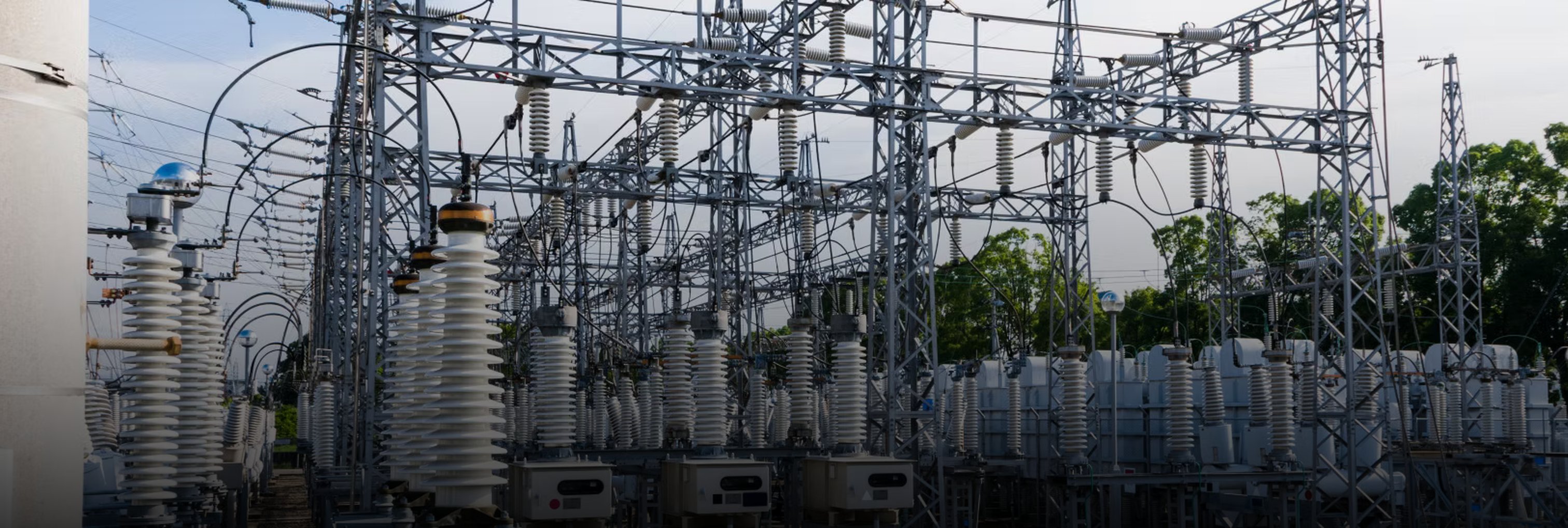
Utility operators need to connect large numbers of substations, meters and field devices that are often spread across wide geographic areas. Many of these sites are located in remote or hard-to-reach locations, where wired networks are unavailable or unreliable. At the same time, smart grid systems generate sensitive operational data that must be protected from unauthorized access and cyber threats. Operators require secure communication channels and clear network segmentation to reduce the risk of service disruption. Another common challenge is protocol diversity. Substation controllers, sensors and legacy equipment may use different communication standards, making it difficult to collect and transmit data in a consistent and efficient way.
Product Capabilities The Rigolink X500 is a 5G industrial gateway built for utility and smart grid communication. It supports both 5G Standalone (SA) and Non-Standalone (NSA) network architectures, delivering high-throughput, low-latency connectivity across distributed substations and field sites. On operator networks that offer network slicing, the X500 can help isolate critical grid traffic from public data flows, reinforcing service security and reliability. Typical Pain Points Utility networks span wide geographic areas, often reaching locations where wired infrastructure is unavailable or cost-prohibitive. Substations, meters, and field controllers are scattered across remote sites, making on-site maintenance slow and expensive. At the same time, grid operations generate sensitive telemetry and control data that must be shielded from cyber threats. Compounding these challenges, equipment from different vendors and generations speaks different communication languages, creating fragmentation that complicates data collection and system integration. Protocol Adaptation To bridge diverse endpoints, the X500 connects via Ethernet and serial interfaces and natively supports industrial protocols including Modbus TCP, OPC UA, and DNP3. It aggregates data from legacy controllers, sensors, and modern intelligent devices, then forwards normalized information to central SCADA or management platforms. This protocol convergence eliminates the need for per-site translation gateways and streamlines end-to-end data flow. Remote Management The X500 integrates with the Rigolink Remote Management System (RMS), giving operators a unified view of device health, connectivity status, and configuration across all deployed gateways. Teams can push firmware updates, adjust parameters, and diagnose faults remotely — without dispatching field crews to every site. RMS also supports bulk operations, enabling efficient mass configuration changes across hundreds or thousands of devices. Deployment Value By combining 5G connectivity, protocol convergence, and centralized remote management, the X500 helps utilities reduce truck rolls, shorten fault-response times, and maintain consistent security policies at scale. Operators gain real-time network visibility and the ability to manage geographically dispersed assets from a single pane of glass, lowering both operational costs and the risk of prolonged service interruptions.