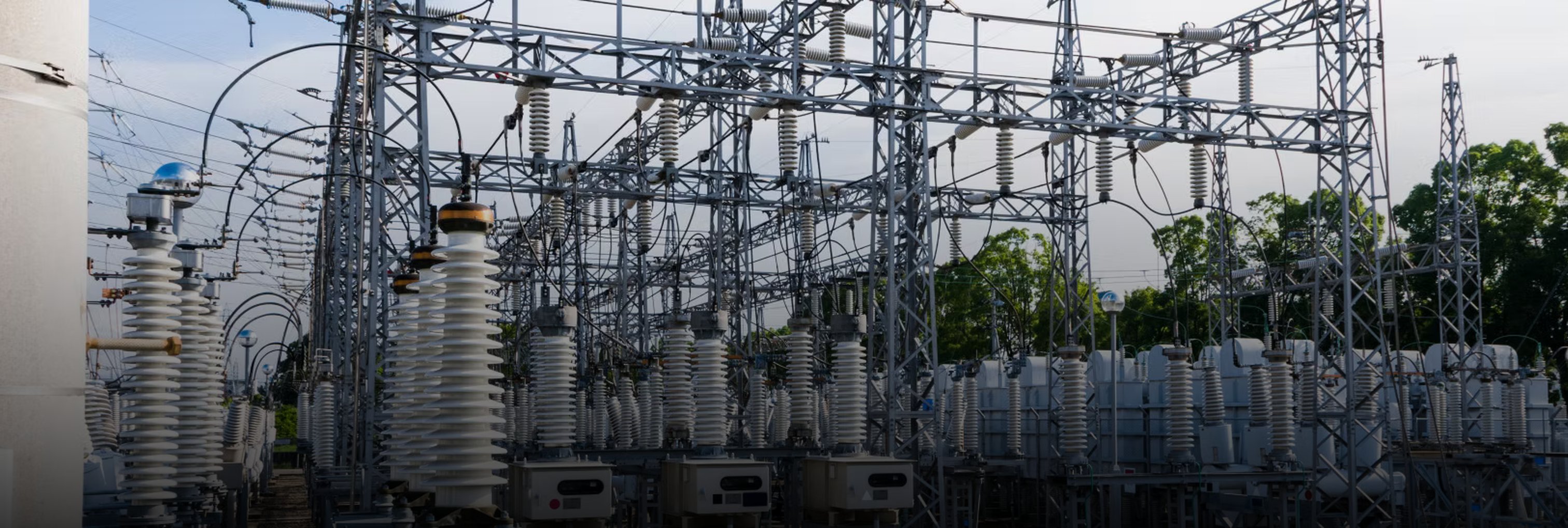
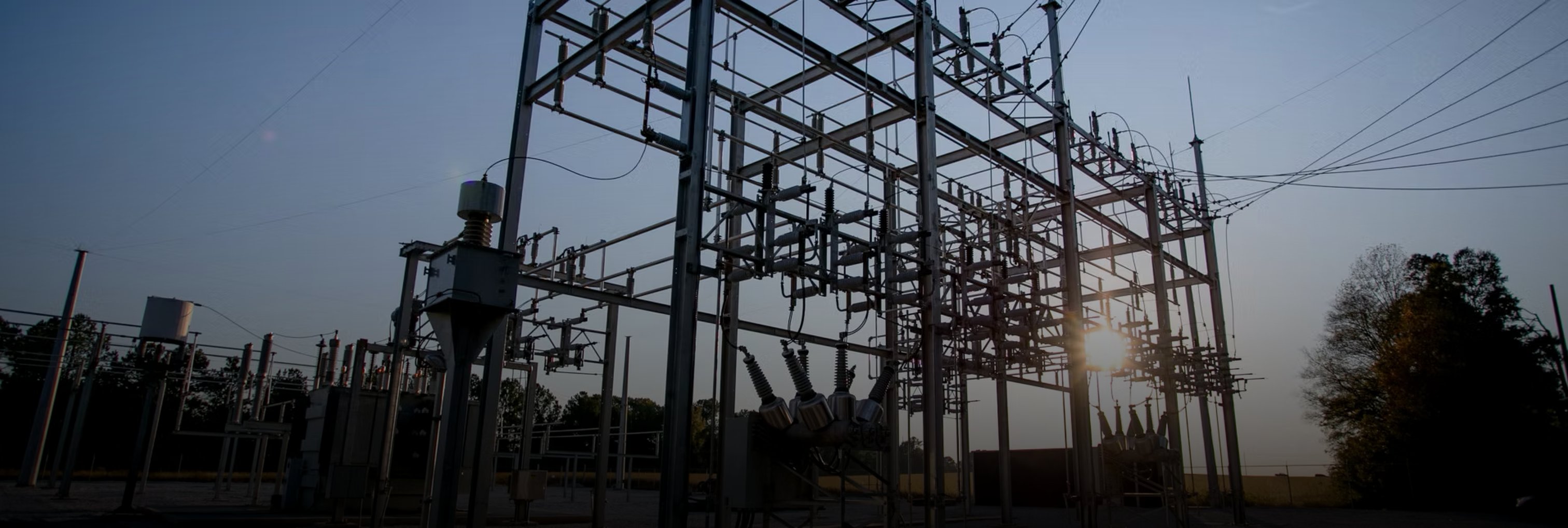
Product Capabilities The Rigolink R9660L is an LTE VPN industrial cellular router built for reliable, unattended operation in remote and harsh environments. It provides RS485 serial connectivity and Ethernet LAN interfaces, allowing direct connection to industrial sensors, monitoring cameras, edge computing modules, and legacy field equipment. With built-in VPN support for encrypted remote access, wide-range DC power input, and a compact form factor suited for tight enclosure installations, the R9660L serves as a rugged communication hub for critical infrastructure monitoring. SMS-based remote management enables engineers to diagnose issues, adjust configurations, and restore connectivity without traveling to the site. Typical Pain Points High-voltage transmission lines form the backbone of national power grids, yet many run through remote, inhospitable terrain — from vast deserts to arid mountain ranges — where physical access is difficult and costly. In regions such as the Middle East, monitoring equipment must endure extreme conditions: ambient temperatures exceeding 50°C, direct solar radiation, abrasive wind-blown sand and dust, and wide diurnal temperature swings. Conventional networking equipment not designed for these stressors can suffer premature failure, thermal shutdown, or connector corrosion. At the same time, these remote corridors rarely have wired network infrastructure, making it challenging to transmit real-time data from weather stations, cameras, thermal sensors, and line-condition monitors back to utility control centers. Without reliable connectivity, grid operators are forced to rely on periodic manual patrols, which are expensive, infrequent, and cannot catch fast-developing faults such as conductor sag, insulator flashover, or vegetation encroachment. Protocol Adaptation The R9660L bridges field monitoring instruments to IP-based networks through its RS485 serial port and Ethernet interfaces. It collects operational data from environmental sensors, thermal cameras, and edge computing units using industrial protocols such as Modbus RTU, then forwards the aggregated information to SCADA systems or cloud platforms via MQTT, TCP, or HTTP. In a typical high-voltage line monitoring setup, the R9660L works alongside satellite communication terminals as part of a dual-path connectivity architecture: satellite serves as the primary backhaul link for sites beyond cellular coverage, while the R9660L provides 4G LTE cellular connectivity as a redundant or secondary path where mobile network coverage is available. This single-device protocol conversion and routing capability eliminates the need for separate serial-to-IP gateways at each tower or monitoring station. Remote Management Through the Rigolink Remote Management System (RMS) or a third-party IoT platform, utility engineers can monitor device health, signal quality, and data throughput from a centralized dashboard for all deployed gateways. The R9660L's VPN functionality creates an encrypted tunnel to the router's management interface, allowing remote configuration changes, firmware updates, and diagnostic checks without dispatching field crews to distant desert substations. SMS-based management provides an additional out-of-band control channel: when primary connectivity is unavailable, engineers can send commands via SMS to reboot the device, switch WAN interfaces, or retrieve status information. This is especially valuable for installations in sandstorm-prone regions where on-site visits may be delayed for days by weather or terrain. Deployment Value By enabling continuous, automated data collection from high-voltage transmission line monitoring systems, the R9660L helps utilities transition from reactive, patrol-based inspection to proactive, data-driven grid management. Early detection of thermal anomalies, conductor clearance issues, insulator contamination from dust accumulation, and weather-related risks allows operators to schedule maintenance before faults escalate into outages. The router's wide operating temperature range, wide DC power input, and compact enclosure-ready design make it suitable for direct integration into field monitoring platforms deployed in the extreme heat and dust conditions of the Middle East and similar regions. By reducing reliance on manual line patrols and helicopter surveys, utilities can lower operational costs, improve workforce safety, and strengthen overall grid reliability.